If I Had Covid and Was Exposed Again Am I Contagious

On March eleven, 2020, the World Wellness Organization (WHO) declared the spread of COVID-19, a novel strain of coronavirus, to exist a global pandemic. The respiratory virus is currently spreading in a growing number of countries, and officials worldwide are responding to the threat by issuing travel restrictions, asking individuals to practise social distancing and mobilizing healthcare systems to care for COVID-nineteen patients.
So what is COVID-19, what symptoms should you be watching out for and how can you contribute to minimizing community spread of the virus?
What Is Coronavirus?
Coronavirus (CoV) is the name given to a group of related illnesses that includes the common common cold, severe acute respiratory syndrome (SARS), Eye E respiratory syndrome (MERS) and coronavirus illness 2019 (COVID-xix). Coronaviruses can affect both mammals and birds, and can vary widely in severity.
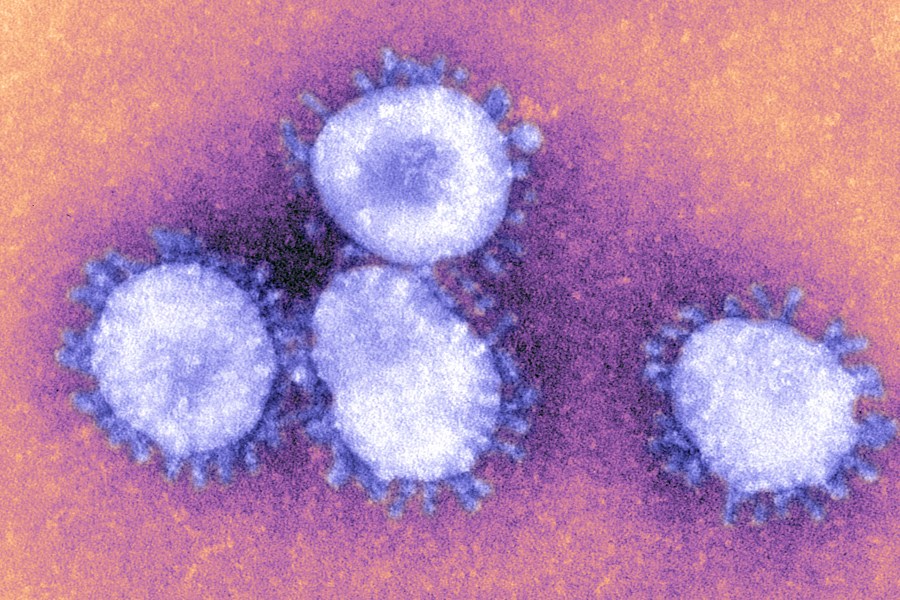
Coronaviruses get their name from the Latin word "corona," which means "halo" or "crown." This name originates from the social club-shaped viral spike peplomers that can exist seen nether a microscope enveloping the trunk of the virus similar a halo.
This family of viruses is distinguished by being zoonotic, which means that coronaviruses have the capacity to spring from animal to human carriers. MERS-CoV, a coronavirus strain first identified in 2012, was found to have been transmitted from dromedary camels to human hosts. Severe acute respiratory syndrome, another coronavirus strain beginning reported in Asia in 2003, was transmitted to humans from civet cats.
COVID-19, the latest coronavirus strain to infect humans, was first reported in late 2019. While researchers believe that it came from animals, its verbal origin remains unknown.
What Are the Symptoms?
Symptoms of COVID-19 typically appear between 2 and 14 days after exposure and are similar to symptoms of other coronavirus strains, which often affect the respiratory system. Information technology'due south of import to notation that some carriers of COVID-xix practise not display symptoms, or written report only very mild symptoms.
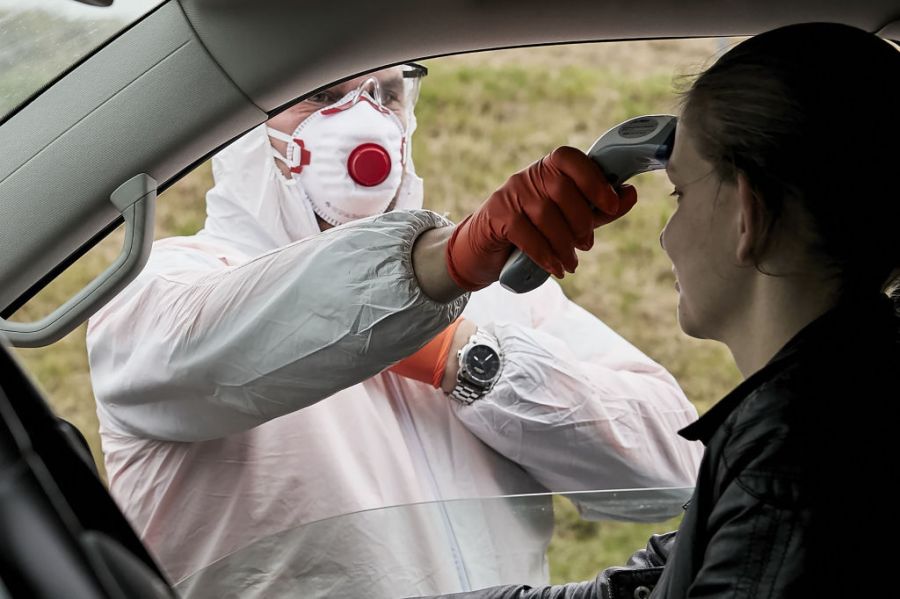
Commonly reported symptoms of COVID-19 include depression-form fever, torso aches, coughing, nasal congestion, runny nose and sore throat. More serious and severe symptoms reported from COVID-19 include loftier fever, severe and persistent cough, shortness of breath and tightness in the chest surface area. In the well-nigh severe cases of COVID-19, symptoms tin develop into pneumonia, astringent acute respiratory syndrome and kidney failure.
While anyone tin contract COVID-nineteen, high-risk groups include older adults and people with underlying health conditions, including heart disease, lung disease and diabetes.
How Can I Assist Prevent the Spread of COVID-19?
The World Wellness System and the Centers for Illness Control and Prevention (CDC) have issued guidance to the public most how to minimize the person-to-person spread of COVID-19. Due to the ongoing nature of the pandemic, recommendations from these agencies may change or evolve based on new developments, then it's of import to check dorsum frequently to ensure you are fully upward to date.

There are several actions you lot can take to minimize community spread of COVID-19. The WHO and the CDC have issued the following recommendations to the public:
- Launder your hands frequently with soap and warm water or an alcohol-based hand sanitizer.
- Practice social distancing past staying home if yous tin, limiting contact with friends and family unit exterior your abode and maintaining a distance of at least half-dozen feet betwixt yourself and other people when in public settings.
- Avoid touching your face up, especially your optics, mouth and olfactory organ.
- Practice proficient respiratory hygiene by completely covering your oral fissure with a tissue or a bent elbow when coughing or sneezing and by immediately disposing of tissues.
- Clean and disinfect surfaces you lot touch often, such as doorknobs, counters, phones, keys, light switches, toilets, faucets and sinks.
Source: https://www.reference.com/science/symptoms-coronavirus-5a3f3f6bfea0deeb?utm_content=params%3Ao%3D740005%26ad%3DdirN%26qo%3DserpIndex
0 Response to "If I Had Covid and Was Exposed Again Am I Contagious"
Post a Comment